Brand activation is a way to bring a brand closer to people. It is not just about advertising that a customer sees online or on a billboard. It is about an experience, interaction or activity where a person meets the brand in person and remembers it in a specific context.
The goal of brand activation is to arouse interest, create emotion, boost sales or strengthen the relationship between the brand and the target audience. It can involve a product tasting, a competition in a shopping centre, a festival event, a roadshow, a promo stand, a creative zone at a corporate event or an interactive attraction that naturally engages people in the action.
A well-prepared brand activation can not only give a brand visibility, but also showcase its character. People often don't remember the advert itself, but they remember how the brand made them feel.
What does brand activation mean?
Brand activation is a marketing activity that aims to „activate“ the brand in the customer's eyes. This means that the brand ceases to be just a logo, slogan or advertisement and becomes a real experience.
The customer can try the product, taste it, take a photo with it, enter a competition, get a sample, experience a fun activity or talk directly to a brand representative.
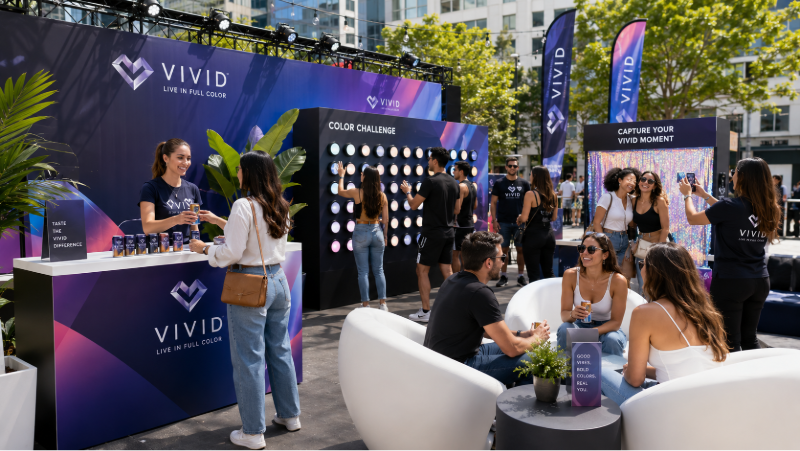
A typical example is a situation where a brand introduces a new drink at a summer festival. Instead of traditional advertising, it creates its own zone with a tasting, music, a competition, a photo wall and a chill-out space. People stop by the brand, taste the product, take a photo and take away a concrete experience.
Why is brand activation important?
In today's environment, the customer is exposed to a large amount of advertising. Every day they see banners, videos, social media, newsletters, billboards and online campaigns. However, many of them are quickly overlooked.
Brand activation works differently. It creates a personal connection. When a person encounters a brand directly, in a pleasant atmosphere and through an experience, the chance of memorisation is significantly higher.
The advantage of brand activation is that it can:
- increase brand awareness,
- introduce a new product or service,
- drive on-site sales,
- gather customer feedback,
- create social media content,
- differentiate the brand from the competition,
- boost the loyalty of existing customers,
- to address people in a specific space or region.
Brand activation is therefore suitable not only for major brands, but also for companies that want to launch a new product, boost sales, increase visibility at an event or build a stronger connection with customers.
What are the options for brand activation?
There are many options for brand activation. The right format depends on the type of brand, target audience, budget, space and campaign objective. An activation will look different for a beverage brand, a bank, a car manufacturer, a retail business, a tech company or an employer.
1. Promotional stands and presentation zones
A promotional stand is one of the most common forms of brand activation. It can be located in a shopping centre, at a festival, a sporting event, a conference, a trade fair, or directly in-store.
A well-designed promo stand should not just be a place where a hostess stands with flyers. It should naturally attract people, catch their eye with its visuals, and offer them a reason to stop.
It may include product sampling, a competition, a digital activity, a photo booth, a wheel of fortune, a registration gift, a product presentation or a short consultation. The advantage is direct contact with the customer and the opportunity to immediately explain the benefits of the product.
2. Sampling and tasting
Sampling is ideal especially for food, drinks, cosmetics or products that the customer needs to try out. The aim is to remove the barrier of first contact and give people the opportunity to experience the product first-hand.
Tasting sessions can take place in a shop, at an event, in a company, on the street, in a shopping centre or as part of a roadshow. The important thing is that it is not just about handing out samples, but about well-thought-out brand communication.
Quality sampling should have friendly staff, a clear message, a good location, visual branding and ideally also a mechanism to help obtain a contact or feedback.
3. Competitions and gamification
People like to enter competitions, especially if they are simple, fun and have an immediate reward. That is why gamification is one of the most effective forms of brand activation.
A brand could prepare, for example, a wheel of fortune, a trivia quiz, a sports challenge, a digital game, a photo challenge or a prize competition. It is important that the activity is easy to understand and relates to the product or the brand's values.
Interactive attractions that naturally engage people work brilliantly at events. For example PlayWall it can serve as a fun competition wall, the inflatable target as a sporting challenge and the photo booth as a tool for creating social media content.
4. Roadshows and mobile activations
A roadshow is suitable when a brand wants to reach people in multiple cities or regions. It is a series of stops that can take place in shopping centres, on town squares, at festivals, sporting events or near retail stores.
The advantage of a roadshow is its wide reach and the ability to tailor communication to a specific location. The brand can gradually visit Bratislava, Trnava, Nitra, Žilina, Banská Bystrica, Košice or other cities and create the same or a slightly modified experience everywhere.
However, a roadshow demands good logistics. You need to handle transport, setup, teardown, staff, permits, equipment, material storage and a precise schedule. That is precisely why it is advisable to team up with event agency, which can manage production from design to implementation.
5. Brand zones at events and festivals
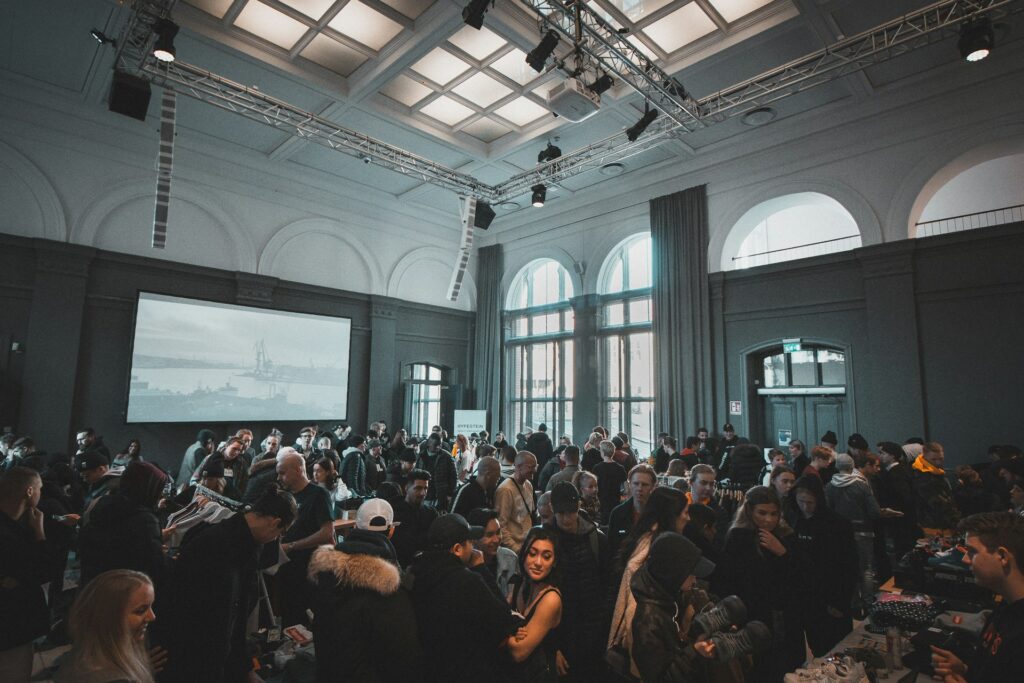
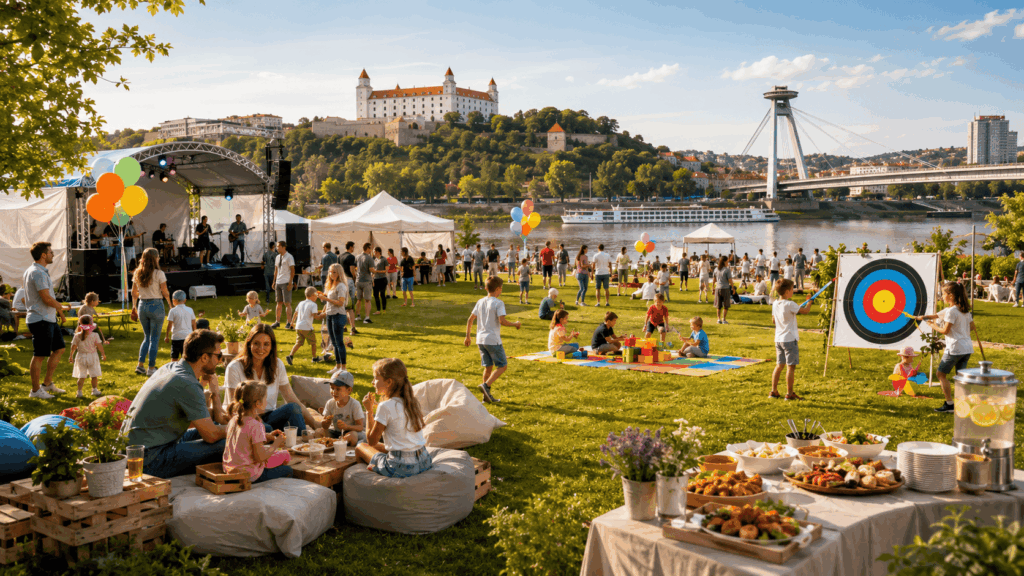
Festivals, sporting events, city celebrations or corporate events are an excellent opportunity for brand activation. A brand can create its own zone where people can stop, relax, have fun or win a reward.
The brand zone may include seating, shading elements, a photo wall, a tasting session, a competition, a charging station, a chill-out area, a water or refreshment zone, a kids' corner or an interactive attraction.
A major advantage is that the brand becomes part of a positive experience. If it brightens a visitor's day, gives them something useful or entertaining, the perception of the brand naturally improves.
6. Event marketing and experiential events
Some brands do not just want to be part of an existing event, but create their own. This can involve a product launch, a VIP event, a press conference, a themed evening, a pop-up event, a sports day, a community gathering or an event for business partners.
This kind of format allows the brand to control the entire experience – from the choice of venue to the programme, catering, technology, stage design, host, right through to post-event communication.
An experiential event is particularly suitable when a brand wants to evoke a stronger emotion, introduce a new product, or invite a selected target group into its own world.
7. Corporate Family Days as a form of brand activation
Brand activation does not only have to be aimed at external customers. It also works very well internally – towards employees and their families.
Corporate Family day it can support employer branding, corporate culture and employee affinity towards the brand. If a company prepares a quality programme for families, children's attractions, catering, competitions and a pleasant environment, employees perceive the brand as something more than just a workplace.
Brand elements can also be utilised here – corporate colours, themed stations, competitions, a photo booth, gifts, personalised refreshments or activities connected with the company's values.
8. Digital and hybrid activations
Modern brand activation often connects the offline and online worlds. Physical activity at an event can continue on social media, in an app, via a competition entry form, or through a remarketing campaign.
Examples include a photo booth with instant sharing, a QR code to enter a competition, a digital quiz, mobile voting, an AR filter, loyalty programme registration or lead capture via a simple form.
The advantage of digital connectivity is measurability. A brand can find out how many people took part, how many contacts it gained, which activities worked best, and how it can continue to work with its audience.
9. Pop-up shops and temporary spaces
Pop-up concepts are particularly suitable for brands that want to make a short-term impact in a specific space. This can be a temporary shop, showroom, tasting space, café, exhibition area or themed experiential space.
Pop-up activation can take a day, a weekend or several weeks. Its advantage is the sense of exclusivity and temporariness. People are motivated to come because they know the space will not be available forever.
This format is suitable when introducing a new product, for a seasonal campaign, influencer collaborations or when building a premium brand image.
10. PR packages and influencer activations
Brand activation can also take place through carefully prepared PR packages, creative mailings or influencer collaborations. The brand creates a physical experience that the recipient unwraps, photographs, films or shares.
It is important that the package does not look like a regular advertisement. It should have an idea, high-quality execution and a clear connection to the brand. If done well, such an activation can generate organic content on social media and strengthen brand perception.
How to choose the right form of brand activation?
When choosing a brand activation, it is important to start with the objective. A different type of activity is suitable for raising awareness, another for boosting sales, and another for collecting leads.
Before preparing the campaign, it is necessary to clarify:
- who do we want to target,
- where the target audience is located,
- what should a person do after contact with poison ivy,
- what experience should they take away,
- whether we want to sell, educate or build emotion,
- what is our budget?,
- how we will measure the result.
A good activation should be simple, memorable, and connected to the brand. It is not enough to prepare an attraction just because it is fun. It must make sense in the context of the product, the target audience, and the campaign message.
What all needs to be arranged for a brand activation?
Behind every successful brand activation lies a lot of production work. Aside from the idea itself, you need to deal with the venue, equipment, visuals, staff, logistics, schedule and permits.
For larger activations, the following are often provided:
- creative concept design,
- selection of a suitable location,
- hire of stalls and flat,
- production of branding elements,
- podium, sound system a lighting,
- LED screens or digital screens,
- promotional staff and hostesses,
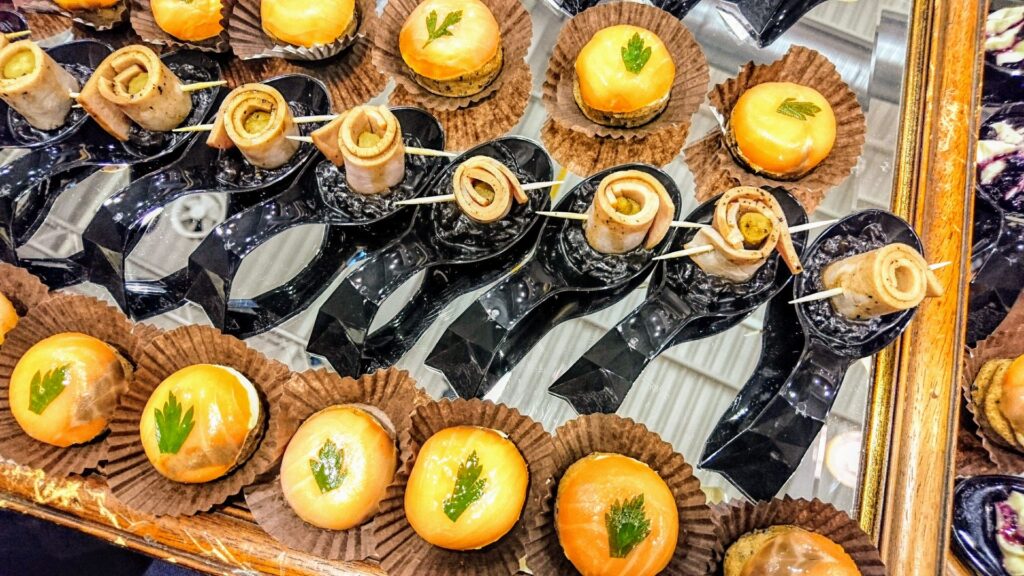
- catering,
- attractions and competitive stands,
- photo booth,
- contact collection,
- delivery and installation,
- site coordination,
- campaign evaluation.
BigAgency can provide brand activation from the initial design to complete implementation. Thanks to experience with event marketing, company shares, attractions a technical support We can create a solution that is not only creative, but also well-managed from a production standpoint.
Examples of activations that work
Popular formats include instant-win competition zones, for example, inflatable target with brand identity, PlayWall interactive wall, photo booth with logo, tasting stand, chill-out zone, themed bar, children's zone for Family Day or fun casino for adults.
A refreshment zone can work well at summer events, foam lance, a lemonade bar or a water activity zone. For evening events, illuminated branding, an LED screen, a stage programme, a DJ, a host or themed catering will stand out.
The best results are delivered by activations that combine entertainment, simple mechanics and a clear brand message.
Conclusion
Brand activation is an effective way to bring a brand closer to people. It allows the creation of direct contact, an experience, emotion and a memorable moment. Unlike traditional advertising, it not only addresses people, but also engages them.
Options for brand activation are very broad – from promo stands, sampling and competitions through roadshows, festival zones and pop-up events to corporate Family Days or digitally connected campaigns.
If you want your brand to be more than just an advert, and for people to truly experience it, in BigAgency we will help you design and execute a bespoke brand activation. We will take care of the concept, technology, attractions, inventory, staff, and complete production.